
Liberalizing Diet Orders to Enhance Patient Satisfaction and Improve Outcomes in Hospitalized Patients
Traditional hospital practices often rely on placing patients on restrictive diets at admission, which can unintentionally impact nutrition and satisfaction. This case study highlights a broader effort across care settings to shift toward more flexible diet ordering—encouraging regular diets when appropriate and reserving restrictions for clear clinical needs—to improve patient experience and support better outcomes.



Current State
Traditional hospital culture often involves prescribing restrictive diets at the time of admission and liberalizing them later as needed. This approach can inadvertently result in unnecessary dietary restrictions, particularly among older adults, contributing to decreased oral intake, increased risk of malnutrition, reduced patient satisfaction, and additional workload for care teams.
Our initiative sought to encourage providers to order regular diets upon admission and to limit therapeutic diet
use to situations in which it was part of the patient’s active treatment plan or otherwise clinically necessary.
Opportunity
The project was inspired by prior success with a hospital-wide cardiac diet liberalization initiative, which revealed that more than 60% of cardiac diet orders were placed for patients aged 65 and older. During that process, we also identified a pattern of overuse of restrictive diet combinations and reviewed literature supporting liberalized diet approaches in acute care settings. The evidence, combined with observed patient dissatisfaction and clinical inefficiencies, motivated us to expand our efforts across our systems.
Background & Challenge
Food Service and Clinical Challenges
Food service teams frequently struggled to create satisfying meal options for patients with multiple therapeutic diet restrictions. This led to patient frustration, increased meal-ordering time, and higher workloads for both food service staff and nursing teams. Dissatisfied patients often consumed less food, increasing their risk of malnutrition and triggering more nutrition consults and interventions from the clinical dietitian team.
Data-Driven Need for Change
Hospital feedback data supported this concern: “Food” ranked as the second most frequent negative comment on Press Ganey patient satisfaction surveys.
Strategic Objectives
Goals

Measures of Success
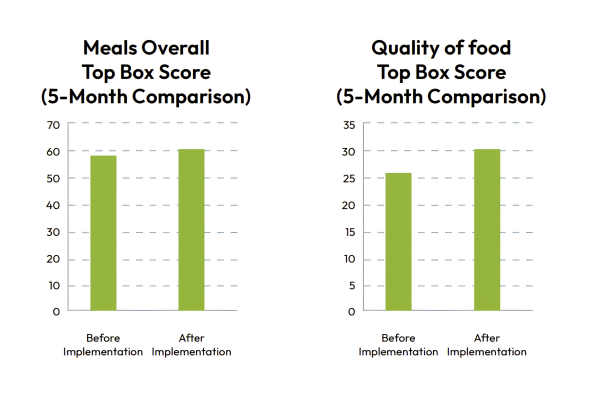
Success was defined by a measurable increase in the use of regular diets, reduction in therapeutic diet orders, and improvement in patient satisfaction scores related to food.
– Overall decreased usage of restrictive diets in our older population, 85+ years
– Increase of regular diet average usage from ~30% to ~50% of daily patient population
– Improved meals overall and quality of food top box scores
Implemenation and Approach
Planning and Approval
The proposal was first presented to the Performance Improvement Regulatory Committee, which approved the initiative and assigned a multidisciplinary task force. Members included representatives from:
– Qulaity and performance improvement
– Clinical nutrition
– Nursing leadership
– IT and informatics
– Physician leads from cardiology, nephrology, endocrinology, and hospital medicine
Execution Steps
1. Policy and EMR Updates
The team implemented electronic medical record (EMR) changes to display recommended “criteria for use” indicators next to therapeutic diet options. This guided providers in selecting diet orders based on clear, evidence-informed criteria.
2. Staff Education
Educational sessions were provided to nursing, medical staff, and food service personnel. These sessions emphasized the clinical rationale for diet liberalization, patient-centered care principles, and CMS-compliant order-writing practices.
Interdepartmental Collaboration:
Collaboration between culinary and clinical teams ensured that while more liberal diet options were available, menus continued to promote balanced, health-conscious choices. The Food and Nutrition Services (FNS) and culinary teams played a critical role in aligning menu offerings with the initiative’s goals.
Champions and Key Partnerships
The lead hospitalist, who had partnered on the earlier cardiac diet liberalization project, served as the project’s primary champion. Their advocacy helped gain provider buy-in and drive consistent adoption across departments.
Regulatory Considerations
To maintain compliance with CMS regulations on diet order authority, therapeutic diets remained fully available. Providers retained the ability to prescribe them when clinically justified, ensuring that liberalization encouraged—but did not mandate—regular diet use.
Outcome and Early Impact
While data collection is ongoing, preliminary results show:
• Increased frequency of regular diet orders at admission
• Reduced reliance on restrictive diet combinations
• Positive anecdotal feedback from both patients and staff regarding meal satisfaction and menu variety
Preliminary results show:

-
Increased frequency of regular diet orders at admission
-
Reduced reliance on restrictive diet combinations
-
Positive anecdotal feedback from both patients and staff regarding meal satisfaction and menu variety