

Why Contract Food Service? Learn More.

Image

Discharge Planning Designed to Strengthen Recovery

Clinical Nutrition Support Beyond the Hospital
Morrison Healthcare clinician in a white coat carefully writing on a clipboard in a hospital hallway while conferring with a colleague, illustrating focused professional competency.

Discharge Planning Resources

Nutrition-Led Discharge Planning

Strong discharge planning creates continuity beyond the hospital stay and supports safer, more successful recoveries at home.

Nutrition-led discharge planning strengthens this transition by identifying needs early, reinforcing recovery, and equipping patients with clear, actionable guidance. By integrating dietitians into care transitions, hospitals extend the impact of clinical nutrition and support better outcomes after discharge.

Why Nutrition Matters at Discharge

  • 20%

    of Medicare patients are rehospitalized within 30 days of discharge, (with an average cost of $17,700 per readmission).

  • 2.28x

    higher odds of 30-day readmission among malnourished patients.

  • 16%

    reduction in 30-day readmissions with nutrition interventions compared to standard care.

How Nutrition Strengthens Care Transitions

At Morrison, nutrition support is integrated into discharge planning early and carried through the transition of care.

Dietitians identify nutrition-related risk, provide personalized education, and align discharge guidance with the broader care plan. This coordination helps ensure patients leave prepared, supported, and positioned for a smoother recovery beyond the hospital.


The Morrison Difference

Clinical Nutrition Expertise Across Care Transitions

Morrison Healthcare clinician in a white coat speaks with a smiling older adult in a bright medical facility hallway.

Discharge Planning Toolkit

Our Discharge Planning Toolkit facilitates the transition from hospital to home by providing care teams with nutrition risk and health equity screening resources, systematic workflows, and customized nutrition interventions.

This toolkit enables early identification of at-risk patients, promotes continuity of care, and supports improved clinical outcomes, contributing to reduced readmission rates and compliance with CMS regulatory requirements.

Morrison Healthcare clinician uses the MyMalnutrition program at the bedside, performing a gentle fingerstick test for a hospitalized patient with supplies on the tray table.

Oral Nutrition Supplementation (ONS)

Oral nutrition supplementation (ONS) plays a critical role in discharge planning by improving nutritional intake, reducing hospital length of stay, and lowering the risk of readmission. When included in discharge instructions and care plans, ONS ensures continuity of nutrition support beyond hospitalization, empowering patients to recover more effectively at home and reducing healthcare costs.

Malnutrition Program

Morrison’s Malnutrition Program strengthens discharge planning by ensuring early interventions to patients at risk of malnutrition.

Registered dietitian nutritionists (RDNs) tailor their interventions, coordinate with interdisciplinary teams, and educate patients and caregivers. This proactive approach improves continuity of care, reduces readmissions, and supports better recovery outcomes.

Connected to Ongoing RDN Support

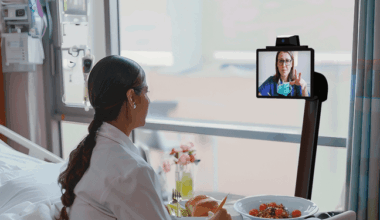
Access to RDNs in the outpatient settings or via our telehealth program ensures continuity of nutrition care after discharge, supporting recovery, reducing readmissions, and empowering patients to manage their health at home.

Whether through virtual consultations, remote monitoring, or family-inclusive education, dietitians provide timely, personalized guidance that bridges the gap between the hospital and home.

Colorful vegetarian pho bowl with noodles, vegetables, herbs served on vibrant red tablecloth

Diet Liberalization

Diet liberalization enhances discharge planning by promoting greater nutritional intake during hospitalization, which supports healing and reduces the risk of readmission.

By minimizing unnecessary dietary restrictions, patients are more likely to eat, maintain energy balance, and transition more smoothly to home. This patient-centered approach not only improves satisfaction and clinical outcomes, but also ensures continuity of care beyond discharge.

Let’s work together

To learn more about how we can help your hospital achieve greater population health, click the link below or call 1-800-2CLIENT